Industrial
Professional cold plunge chillers with WiFi control and ozone sterilization for sports recovery, health centers, industrial and agricultural use.
Chiller Selection
Industrial buying notes
Industrial pages help buyers compare Springvive chiller options before sending an inquiry. Use this category as a starting point for water volume, temperature target, room conditions, duty cycle, hygiene options, and export requirements. A suitable chiller is chosen from the real cooling job, not only from horsepower or product photos.
- Confirm the water volume, target temperature, inlet water temperature, ambient temperature, and expected recovery time before comparing models.
- For cold plunge rooms, share whether the site is a home studio, commercial gym, spa, hotel, clinic, sports club, or distributor showroom.
- For process cooling, provide pump flow, operating hours, water quality, hose or pipe size, and whether the system runs 8, 12, or 24 hours per day.
- Check hygiene requirements early: filtration, UV disinfection, ozone sterilization, easy filter access, cleaning interval, and spare-parts planning.
- For OEM/ODM orders, prepare logo, color, shell design, controller language, packaging, plug standard, voltage, carton size, and certification needs.
- Ask the sales team to confirm lead time, sample availability, warranty, manual language, spare filters, hose sets, and export documents before deposit.
- If replacing old equipment, send photos, old model information, refrigerant type, tank size, connection size, and known failure symptoms for faster selection.
- For indoor recovery rooms, review noise, ventilation clearance, drainage, pump placement, and whether the chiller will sit beside the tub or in a service room.
Capacity selection should start with the actual heat load. A small recovery tub used by one family, a boutique studio serving several clients per hour, and a hotel spa running most of the day can all appear similar in photos, but the required compressor duty, water circulation, and temperature recovery speed are different. Share the liters of water, expected starting temperature, desired holding temperature, and the busiest operating period so the quotation is based on use rather than guesswork.
Installation details influence both performance and after-sales service. Indoor rooms need ventilation space around the condenser, a practical drainage route, safe electrical access, and enough clearance for filter cleaning. Outdoor or semi-outdoor projects need a discussion about rain exposure, dust, humidity, ambient heat, and how the site team will inspect water quality. These details help Springvive recommend placement, accessories, and maintenance notes before shipping.
Commercial buyers should compare hygiene workflow before choosing cosmetic options. Ask whether the unit supports the required filtration routine, UV or ozone module, hose cleaning, spare filter availability, and easy access for staff. A gym, clinic, or wellness center may care more about cleaning time between sessions than about maximum cooling speed, while an industrial or agricultural loop may care more about stable operation and water quality tolerance.
For private-label distribution, the category discussion should include market positioning, packaging language, plug standard, warranty note, user manual, spare-parts pack, carton strength, sample approval, and launch schedule. A distributor selling to home users usually needs different documentation and accessories from a contractor supplying recovery rooms or commercial wellness projects. Preparing these facts early reduces quotation revisions.
Electrical and compliance checks are easier before production begins. Confirm whether the project needs 110V or 220V, US, EU, UK, AU, or other plugs, and any document requests such as CE, RoHS, ETL, SAA, FCC, or local importer paperwork. If the destination country has special refrigerant, labeling, or socket requirements, include those notes in the first inquiry so engineering can review feasibility.
A useful quote request should include destination country, order quantity, preferred Incoterms, sample needs, target delivery month, usage environment, water volume, target temperature, sanitation preference, and branding requirements. With those details, the sales team can compare standard models against OEM/ODM changes and explain what affects lead time, packaging cost, and spare-parts planning.
Replacement projects need a slightly different checklist. Send photos of the old installation, current pipe or hose connections, pump position, tank dimensions, refrigerant reference, electrical label, failure symptoms, and what the buyer wants to improve. This helps avoid choosing a new unit that repeats the same limitation, such as poor ventilation, undersized cooling capacity, difficult filter access, or unsuitable placement.
After-sales planning should be part of model selection. Before confirming an order, ask about warranty coverage, recommended cleaning interval, available spare parts, filter replacement, hose and pump support, troubleshooting documents, and whether the buyer will keep spare consumables on site. These practical items matter for gyms, spas, hotels, farms, and factories because downtime can affect service revenue or production schedules.
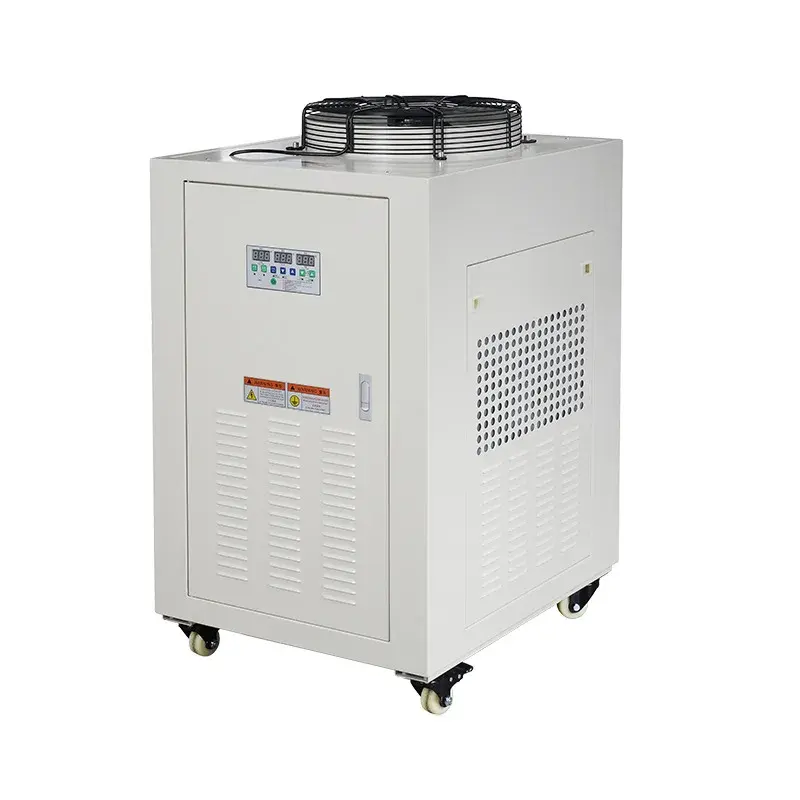
R22/R32 Low Temp 3HP 8200W Industrial Chiller Water Cooled Water Industrial Chiller Enfriador De Agua Industrial
View Details→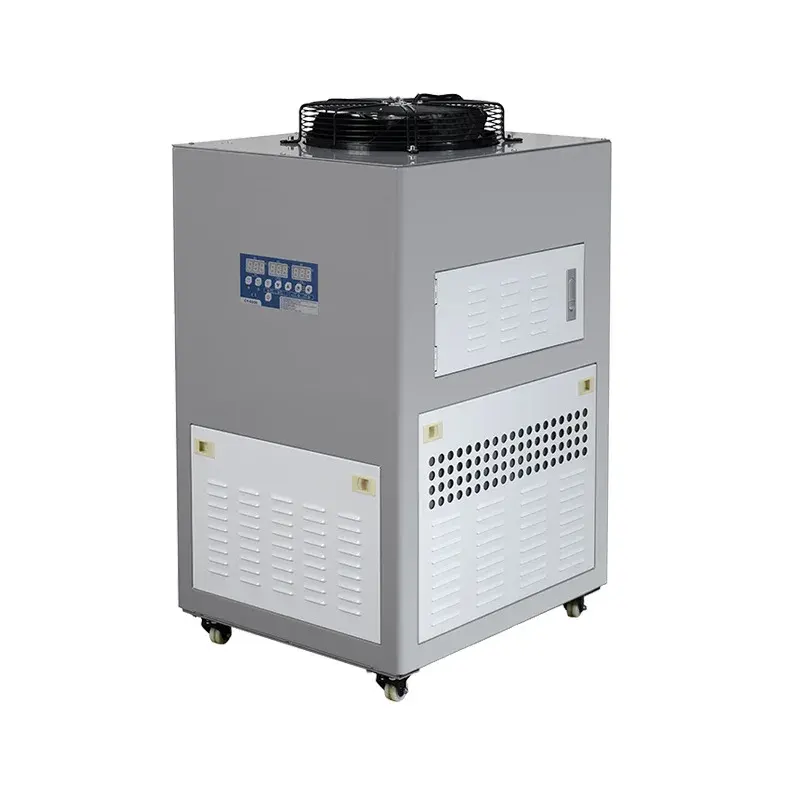
R22/R32 Low Temp 2HP Machine Cooling Industrial Water Chiller Freezer Refrigerator Chiller Air Cooled Chiller
View Details→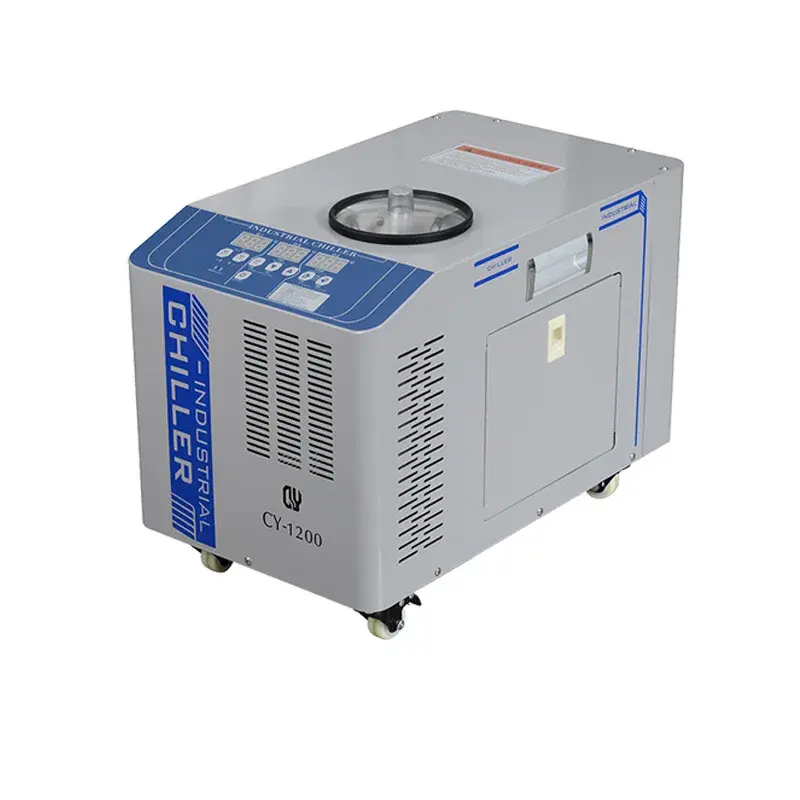
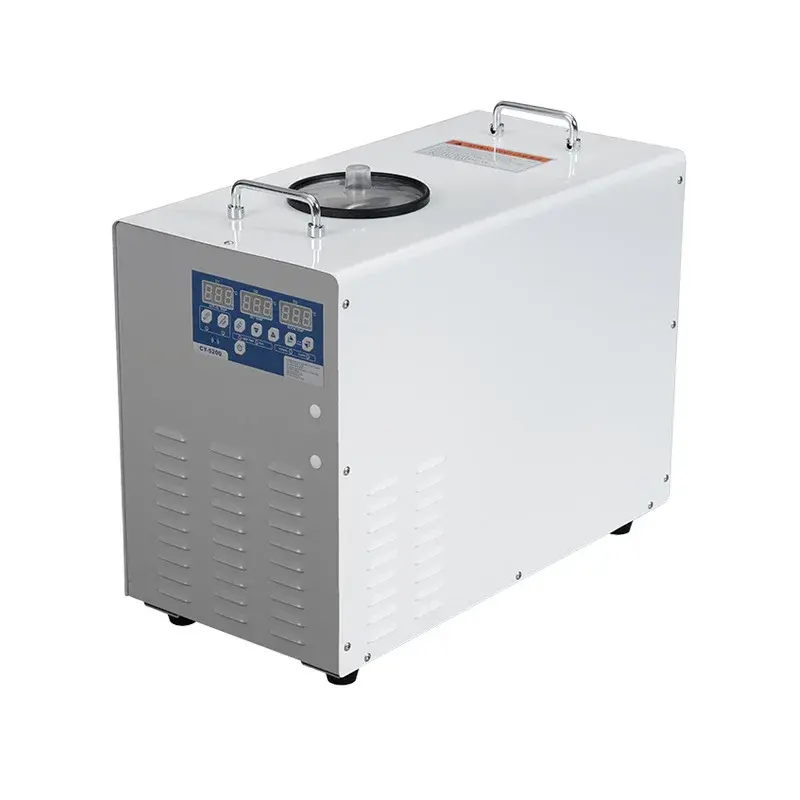
R134A Low Temp 0.3HP 1/3HP Compressor Industrial Water Chiller Machine Air Cooled Chiller Industrial Chiller Water Cooled
View Details→