Buyer Guide
How to compare Springvive cooling equipment
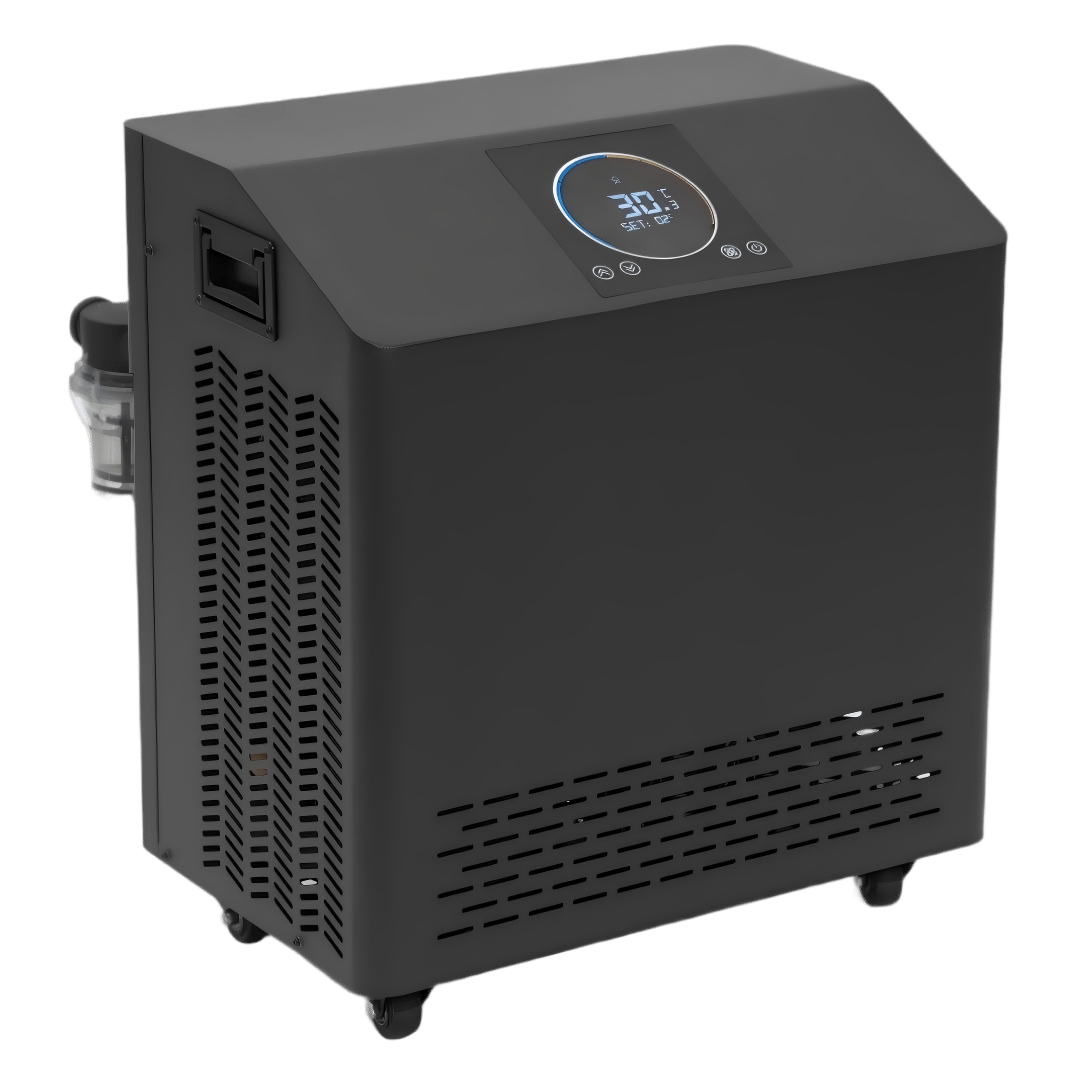
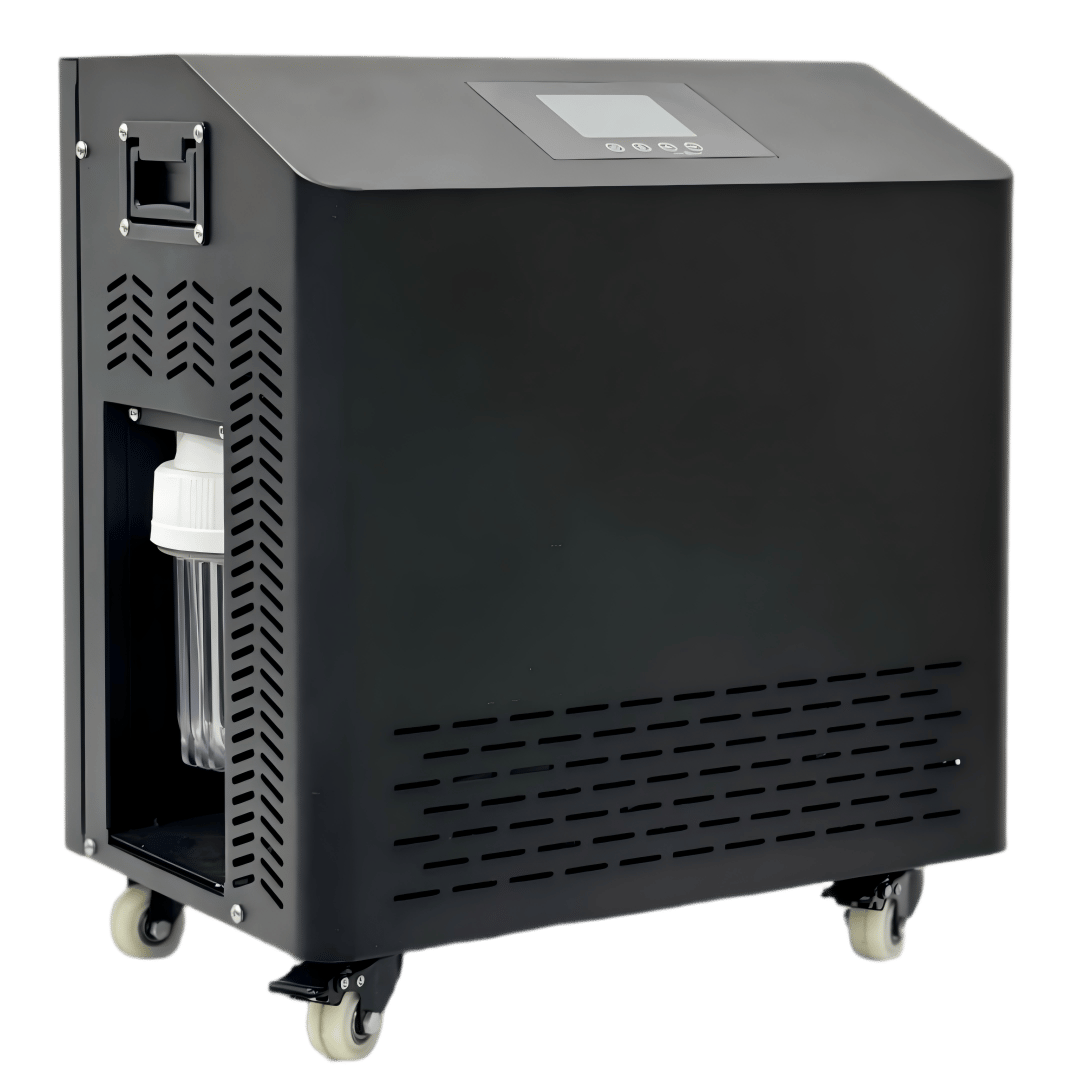
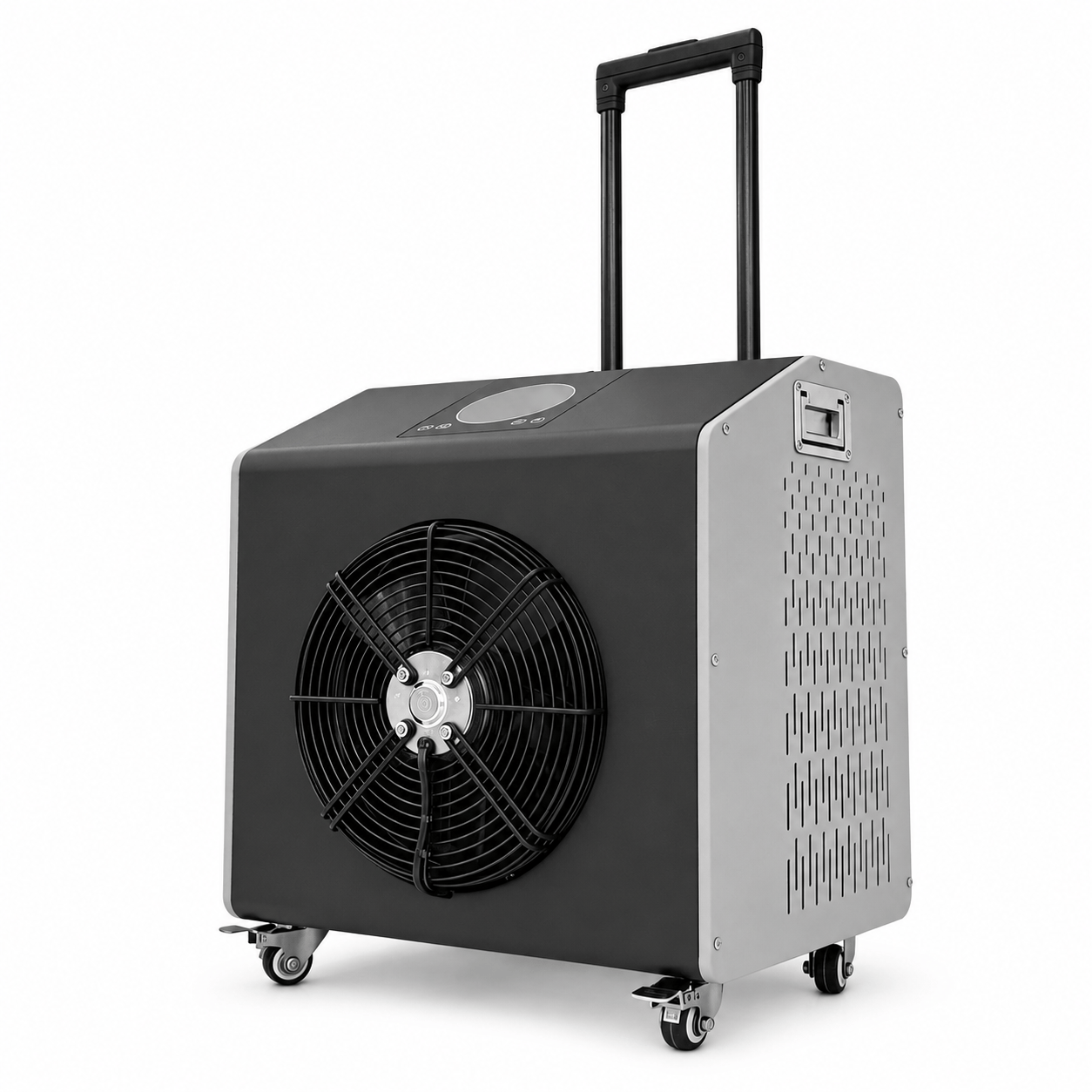
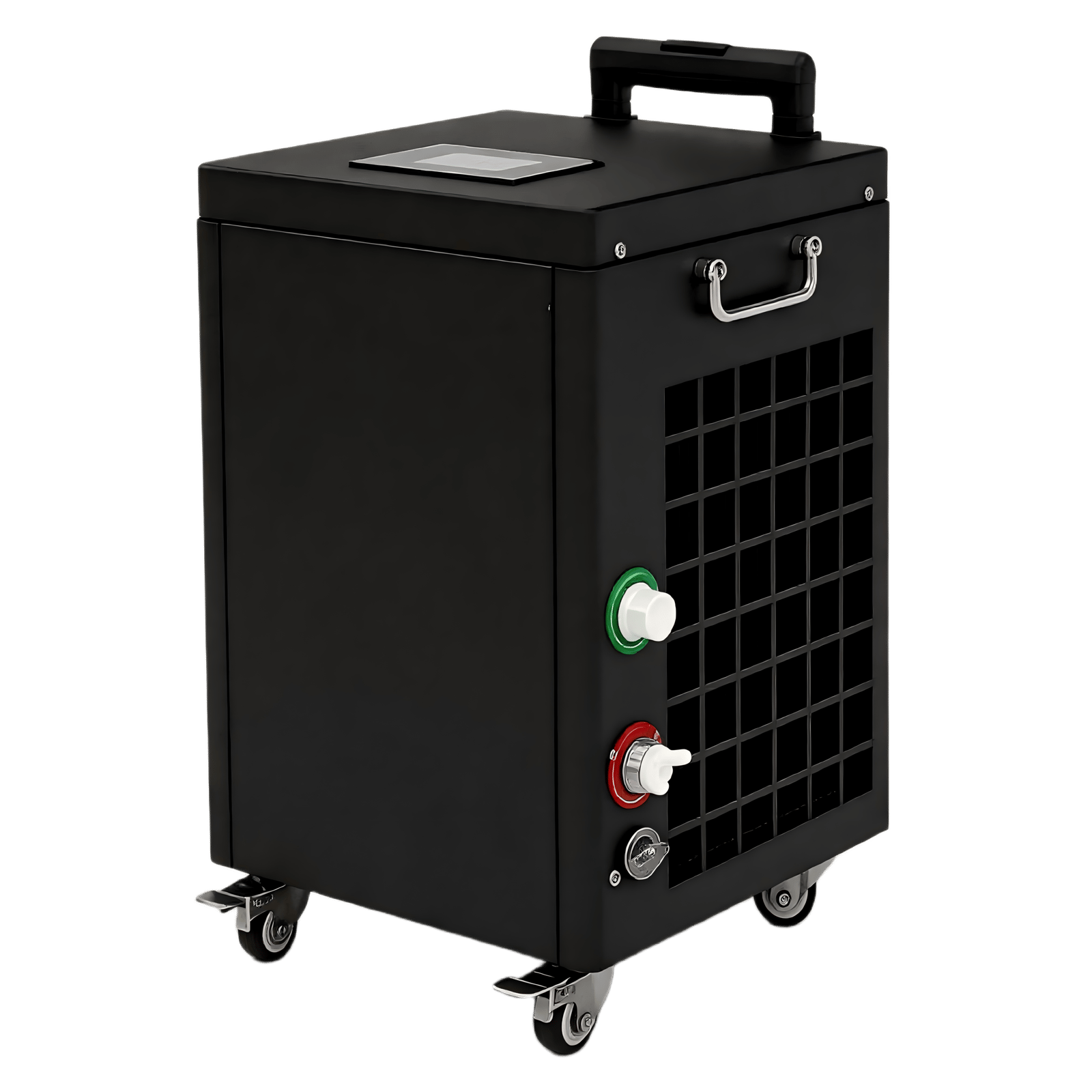
Springvive products are grouped for practical B2B buying decisions: cold plunge chillers for recovery rooms and wellness studios, all-in-one tubs for fast installation, and water cooling equipment for pool, agricultural, and industrial use. The notes below give procurement teams a quick way to compare capacity, sanitation, customization, operating conditions, and delivery before sending an inquiry. If you are comparing several models, start with the water volume and target temperature, then confirm hygiene features, installation space, expected running hours, and export paperwork.
Choose by water volume and duty cycle
For compact recovery studios, 0.3HP to 1HP chillers cover daily cold plunge sessions and small tubs. For clubs, hotels, pools, or production cooling, larger 1.5HP to 5HP systems are better for longer operating hours and heavier heat loads.
Match hygiene options to the use case
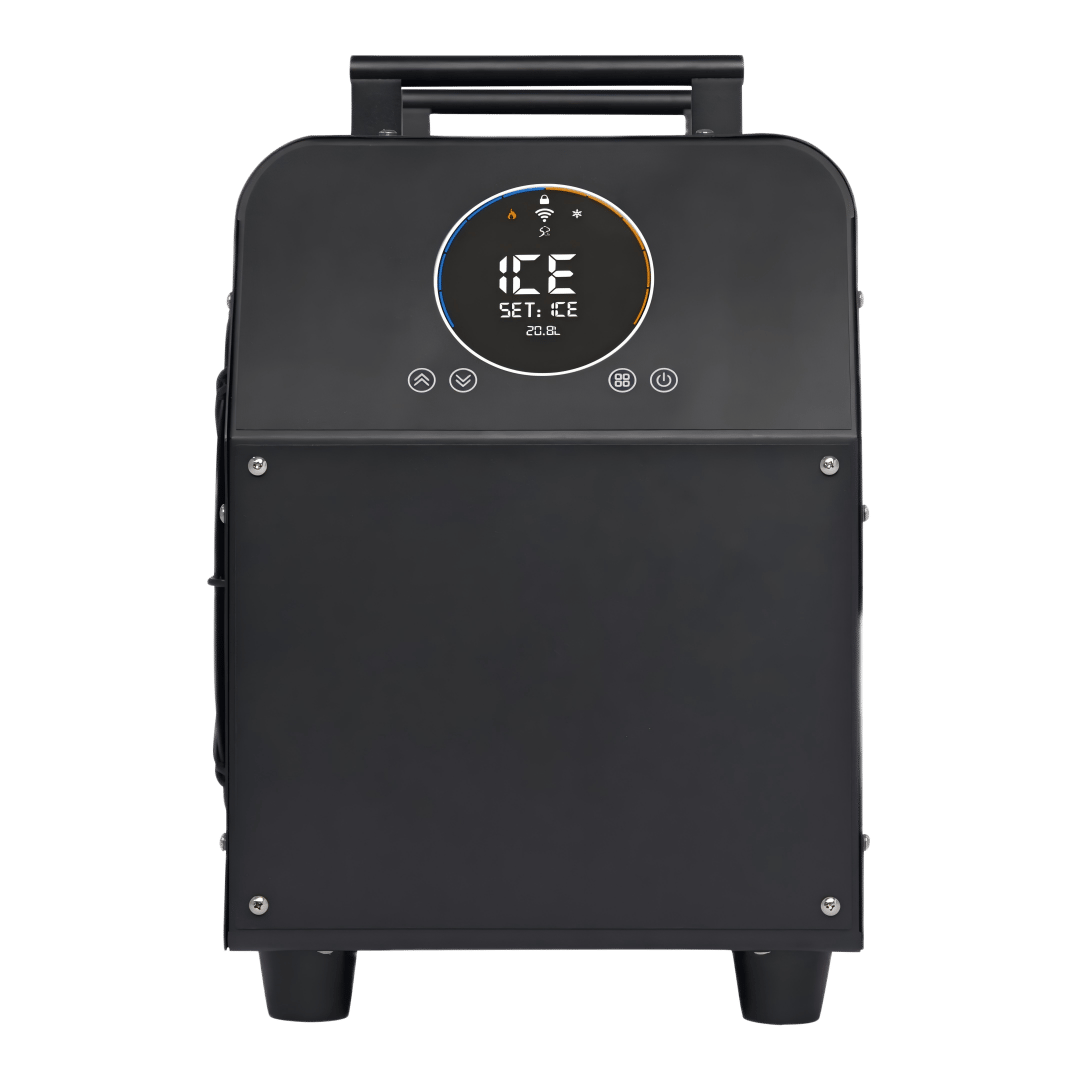
Commercial buyers can compare filtration, UV disinfection, ozone sterilization, heating, WiFi control, and digital temperature control before asking for a quotation. These details help the sales team recommend a model without repeated back-and-forth.
Plan OEM/ODM requirements early
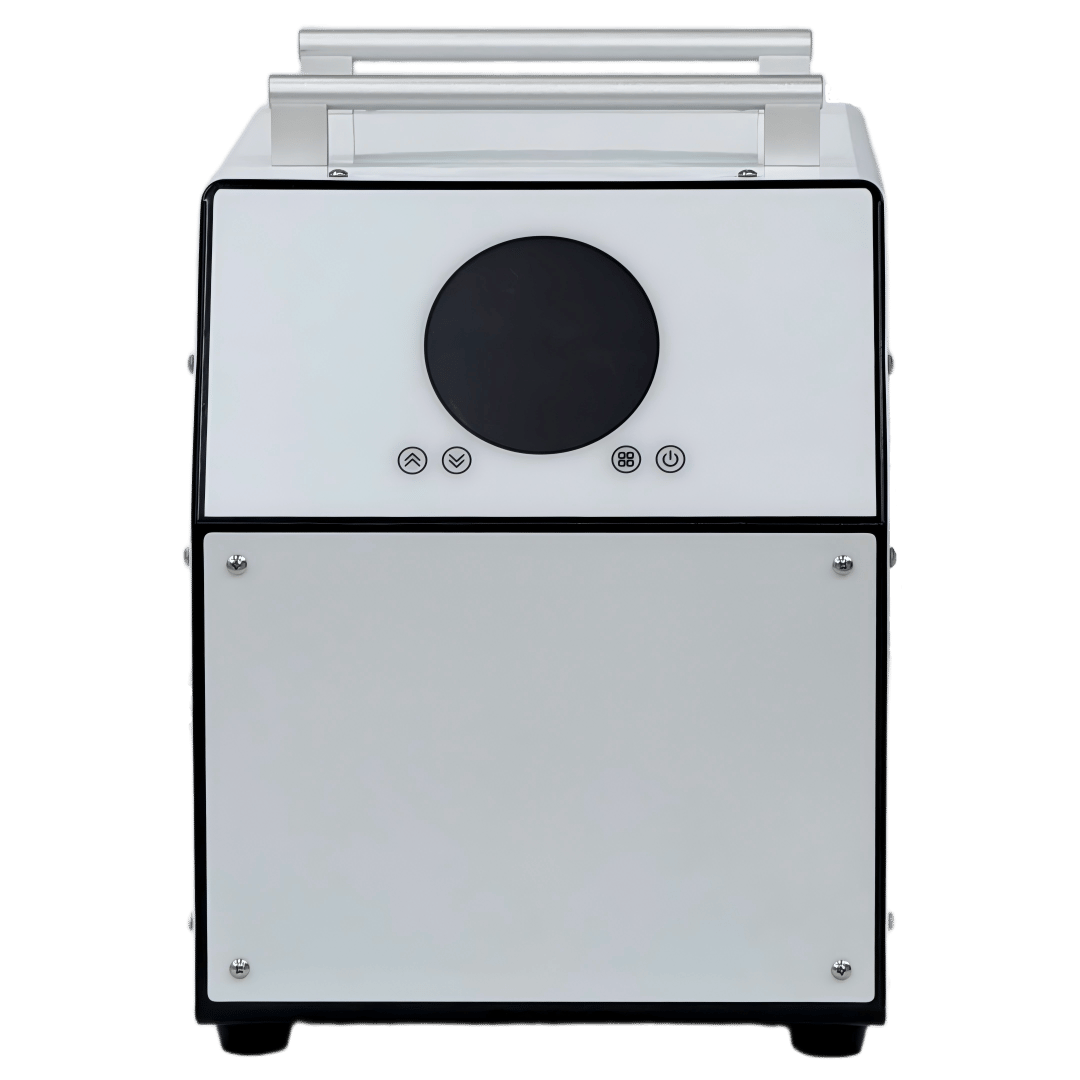
Springvive supports logo, color, packaging, screen style, shell design, and specification customization. Share your target market, order quantity, plug standard, temperature range, and preferred shipping terms so engineering and sales can prepare the right proposal.
Check delivery, warranty, and documentation
Each order should confirm lead time, spare parts, user manuals, warranty terms, and export documents before production. Springvive serves buyers in 40+ countries and supports B2B inquiries from gyms, spas, distributors, wellness brands, and industrial users.
Compare operating environment before price
A chiller used in a 300L recovery tub, a hotel spa, a hydroponic tank, and an industrial loop will face different ambient temperatures, flow rates, cleaning routines, and daily operating hours. Sharing these facts helps prevent under-sized equipment.
Prepare the details needed for a clear quote
Useful inquiry details include destination country, voltage, plug type, target quantity, preferred Incoterms, private-label needs, package requirements, and whether the order needs spare filters, hoses, covers, or sample approval before bulk production.
Cold plunge buyers should separate home wellness use from commercial recovery use. Home use may care more about quiet operation, compact footprint, and simple cleaning. A commercial gym, spa, clinic, hotel, or sports club also needs staff workflow, filter access, repeated sessions, and stable temperature recovery after several users.
All-in-one tub buyers should check whether the project needs a foldable tub, acrylic tub, stainless steel tub, built-in chiller, external chiller, heating, cover, stairs, insulation, or branded shell. The best option depends on floor space, drainage, customer turnover, and whether the site wants fast installation or a custom showroom look.
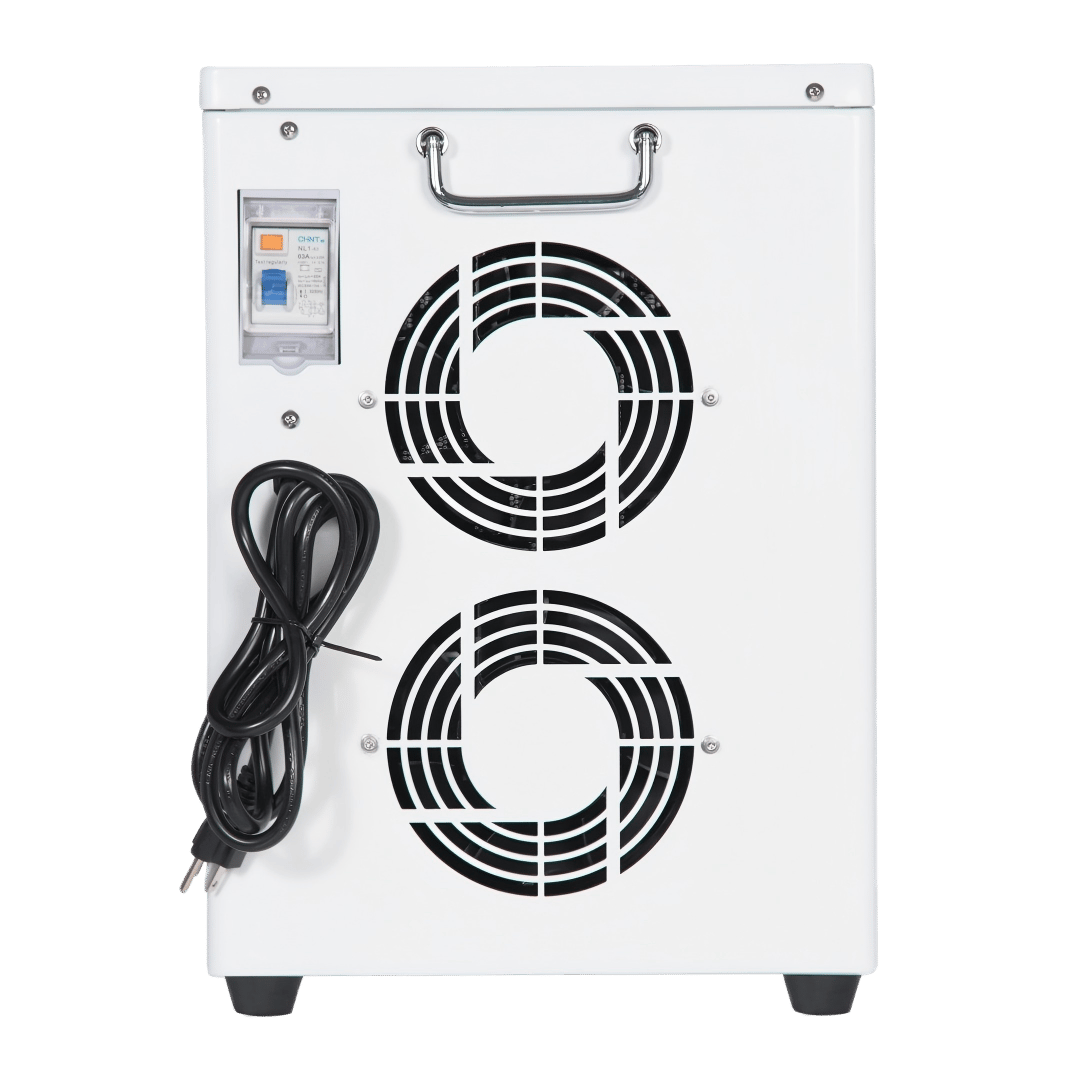
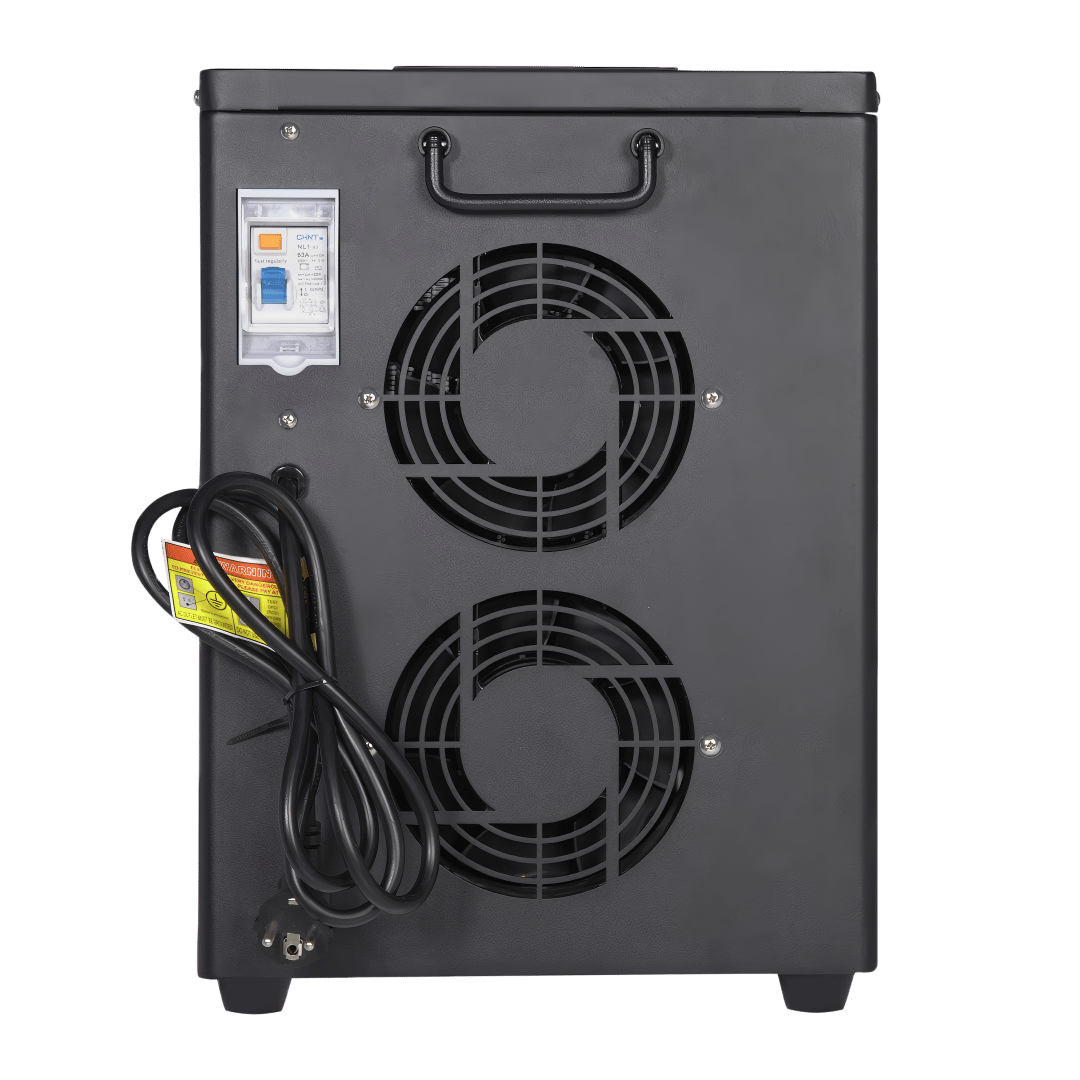
Export buyers should confirm 110V or 220V power, EU/US/UK/AU plug choices, carton size, pallet plan, spare-parts package, English manual, warranty note, and shipping term such as EXW, FOB, CIF, or DDP. These details make the quotation easier to compare across suppliers.
Technical buyers should prepare ambient temperature, inlet water temperature, outlet target, pump flow, tank volume, water treatment method, and daily operating hours. A 2HP label alone does not explain the full job; the load profile decides whether the model is suitable.